

J. HAYDN (1732–1809) – J. P. SALOMON (1745–1815): Symphony No. 94 in G major (“Surprise”), Hob. I:94
F. X. MOZART (1791–1844): Rondo in E minor for flute and piano
“Verbunkos” music from the 18th–19th centuries – a selection of works by Gábor MÁTRAY (1797–1875), János BIHARI (1764–1827), Márk RÓZSAVÖLGYI (1788–1848) and their contemporaries
—
J. HAYDN: String Quartet in C major, Op. 20, No. 2, Hob. III:32
F. W. KALKBRENNER (1785–1849): Piano Sextet in G major, Op. 58
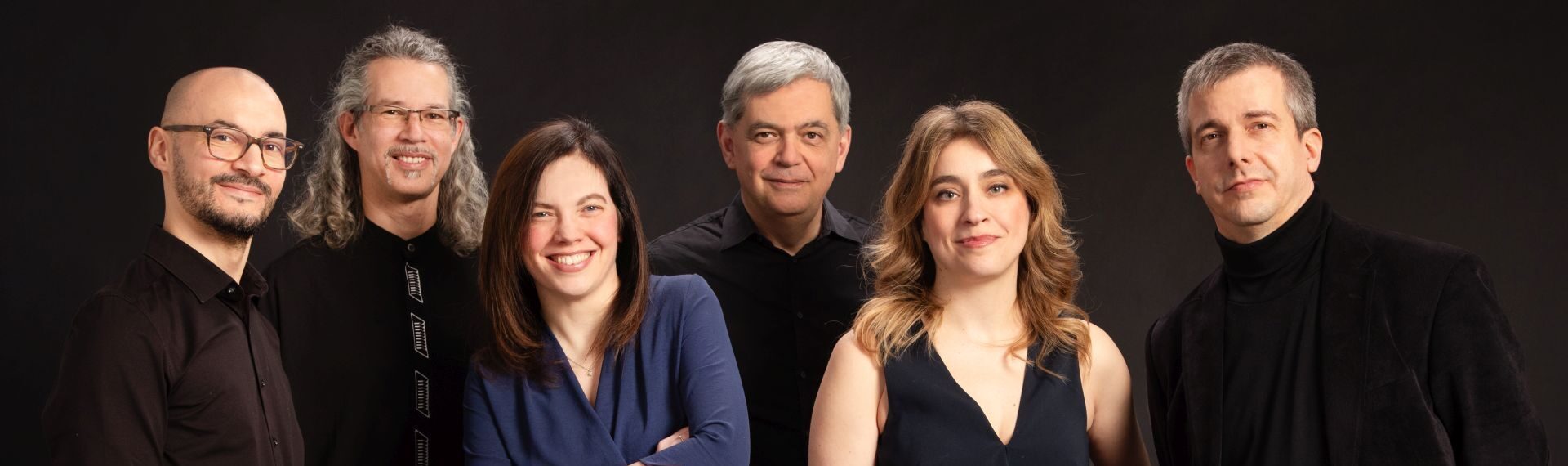
At its two summer evening concerts, the Ensemble Variabile, made up of outstanding Hungarian historically informed musicians, brings to life the musical world of Eszterháza’s golden age from a distinctive perspective. At the turning point between Classicism and Romanticism, salon music and domestic music-making were a common feature not only of aristocratic households but also of bourgeois homes, and the instrumental skills of amateur performers often rivalled those of professionals. This provided fertile ground for chamber music genres and also gave rise to numerous arrangements of orchestral works. From Haydn’s London Symphonies, including the “Surprise” Symphony, famed for the unexpected forte chord in its second movement, Johann Peter Salomon prepared arrangements, to whom the composer owed his two celebrated journeys to England. The Op. 20 string quartet cycle is a milestone of the genre, pointing towards early Romanticism through the equality of its parts. This style is represented in the programme by the lyrical and sensitive rondo of Mozart’s youngest son, as well as the representative sextet by the celebrated piano virtuoso Friedrich Wilhelm Kalkbrenner. The programme is completed and lent historical authenticity by a verbunkos programme, illustrating the distinctive Hungarian instrumental tradition of the period, which exerted influence as far as Vienna.