

Franz SCHUBERT:
Piano Sonata in B-flat major, D. 960
—
Piano Quintet in A major ’The Trout’, D. 667
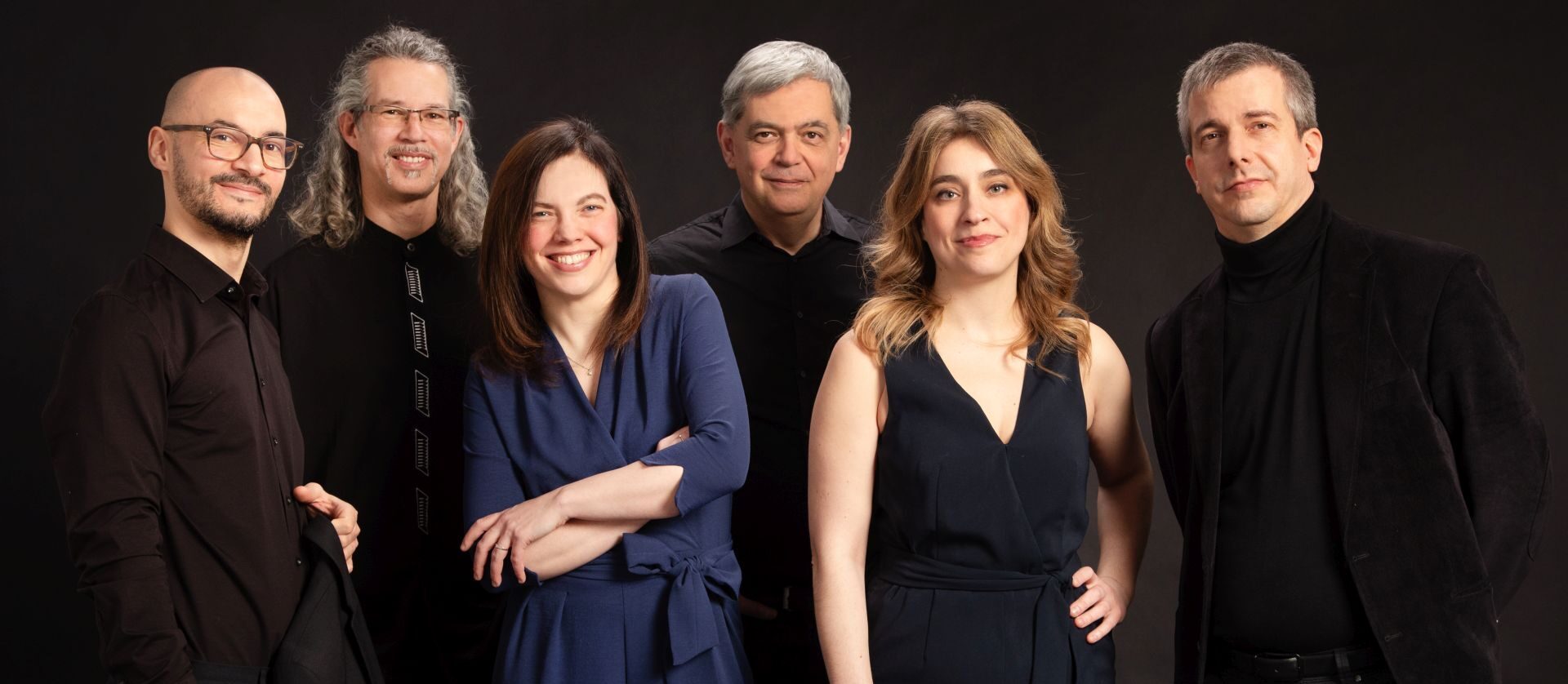
Junior Prima Prize–winning pianist Petra Somlai, who is also a professor at the Royal Conservatoire in The Hague, is a regular performer at Haydneum concerts. She frequently appears with Ensemble Variabile, one of the leading representatives of chamber music performance based on historically informed practice. Their repertoire ranges from the Baroque to the early Romantic period, and their name refers both to the varied instrumental combinations of the works they perform and to the diversity of musical sound.
Petra Somlai will first perform Schubert’s final Piano Sonata in B-flat major. The composer wrote his last three sonatas in the summer and autumn of 1828, in the months preceding his death. They were published only a decade later and truly assumed their rightful place among the most important works of the piano repertoire only in the course of the 20th century. The three sonatas share numerous affinities with one another and with other late works by Schubert, including similarities of formal design; among them, the B-flat major sonata stands out for its calm, at times somber beauty.
The Piano Quintet in A major, widely known as the “Trout” Quintet, is a much earlier composition, written in 1819, though it was published only in 1829, a year after Schubert’s death. In the performing forces, the double bass replaces the second violin customary in a string quartet, perhaps under the influence of chamber works by Hummel that also employ the double bass. The five-movement work takes its nickname from the theme of the fourth movement, a set of variations on Schubert’s 1817 song Die Forelle (“The Trout”), most likely at the suggestion of the cellist and patron Sylvester Paumgartner. In the piano part, the song-like accompaniment recurs throughout all five movements, and other structural correspondences between the movements (such as the symmetrical design of the second and fifth movements) further reinforce the unity of this approximately forty-five-minute work.